Many of the best mountain trips climb higher than the body is used to. Altitude sickness is common, mostly mild, and largely preventable, but it can become dangerous if it is ignored. This guide covers the basics so you can plan a sensible trip.
It is general information, not medical advice. Talk to a doctor or travel clinic before you travel, especially if you have a heart or lung condition, are pregnant, or have had problems at altitude before.
What altitude sickness is
The air at altitude holds less oxygen. If you go up faster than your body can adjust, you can develop acute mountain sickness (AMS). The US Centers for Disease Control and Prevention (CDC) says unacclimatised travellers are at risk from a sleeping altitude of about 2,450 m, and sometimes lower. The risk rises with height and with the speed of the ascent.
Fitness does not protect you. Fit people can be affected, and slow, steady climbing matters far more than strength.
Symptoms of mild altitude sickness
AMS starts with a headache, together with at least one of these:
- loss of appetite or nausea
- dizziness
- unusual tiredness
- poor sleep
Symptoms often begin a few hours after arriving or climbing, and are frequently worst after the first night. If you do not go higher, the CDC notes they generally ease within 12 to 48 hours.
Danger signs
Two serious forms of altitude illness are medical emergencies:
- High-altitude cerebral oedema (HACE): confusion, unusual behaviour, clumsiness or difficulty walking in a straight line, and growing drowsiness.
- High-altitude pulmonary oedema (HAPE): breathlessness at rest, a persistent cough, tightness in the chest and extreme tiredness.
If someone has these signs, they need to go down immediately and get medical help. Do not wait for the morning, and never leave them alone.
How to go up safely
- Ascend gradually. Above about 3,000 m, the CDC advises raising your sleeping altitude by no more than about 500 m a night, with an extra rest night for every 1,000 m gained. Other guidance suggests 300 to 500 m a day. Either way, the principle is the same: slow down as you get higher.
- Climb high, sleep low. A day walk to a higher point, followed by a night lower down, helps your body adjust.
- Plan rest days. A rest day every three or four days at altitude is common in good itineraries.
- Do not climb with symptoms. Stay at the same altitude until they go. If they get worse, go down.
- Look after the basics. Drink water, eat well, and avoid alcohol and sleeping pills in the first nights at altitude.
- Ask about medication. Some people use a medicine called acetazolamide to help prevent altitude sickness. It is prescribed by a doctor, and it does not replace a slow ascent.
Altitudes you may meet on this site
| Place | Altitude |
|---|---|
| Machu Picchu | about 2,430 m |
| Cusco, the usual gateway | about 3,400 m |
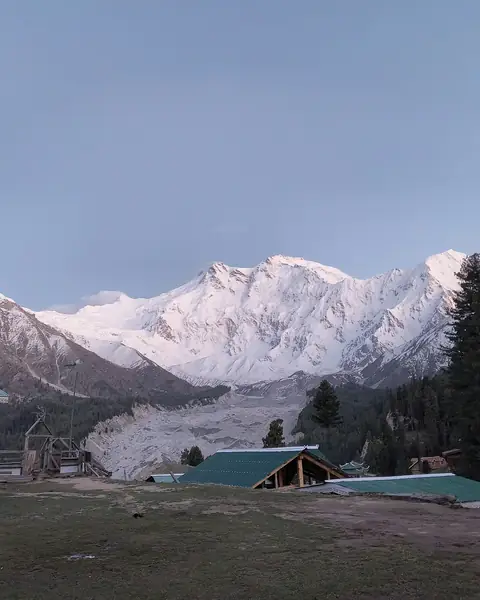
| Fairy Meadows | about 3,300 m |
| Spiti Valley (Kaza) | about 3,650 m |
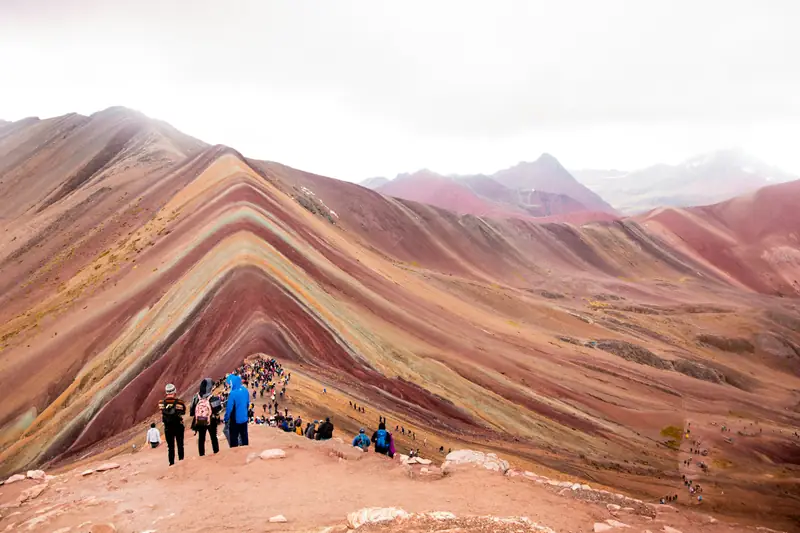
| Rainbow Mountain | about 5,000 m |
| Everest Base Camp | 5,364 m |
| Kilimanjaro | 5,895 m |
Plan for it
Choose itineraries with spare days, so you are never forced to climb while unwell. Look for guides who watch their groups and know when to turn back. Make sure your travel insurance covers trekking at the altitude you plan to reach, and emergency evacuation. Finally, agree in advance who in your group can call for a descent, because altitude sickness can make people poor judges of their own condition.
Sources and further reading
- NHS: Altitude sickness
- CDC Yellow Book: High-altitude travel and altitude illness
- Wilderness Medical Society
Written by the LuxPines editorial team and last updated 24 October 2026. Conditions, prices and rules change, so confirm details with official sources before you travel. See how we work and our affiliate disclosure.